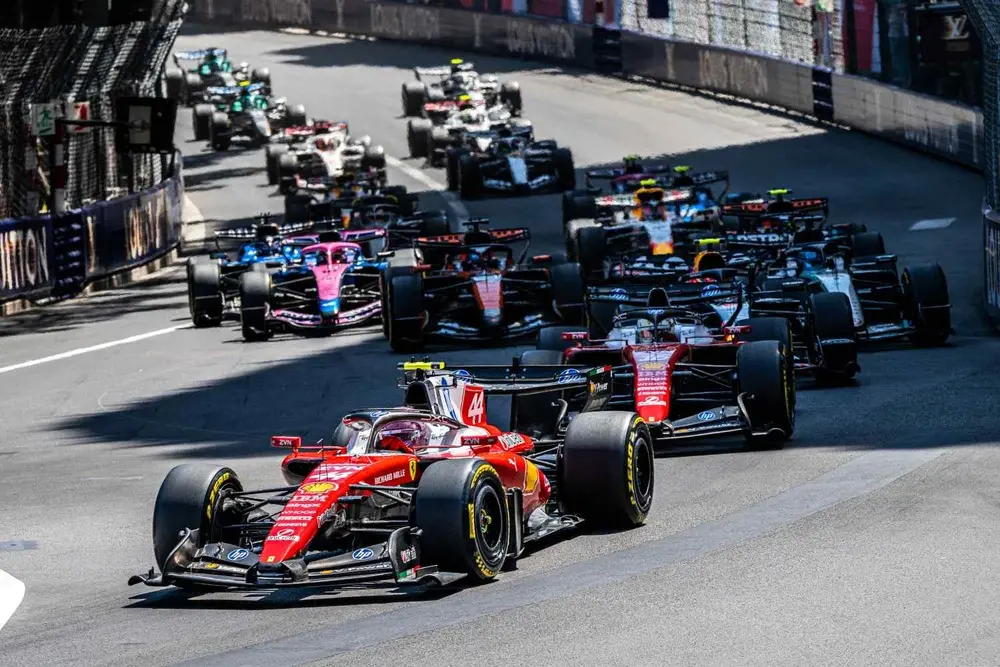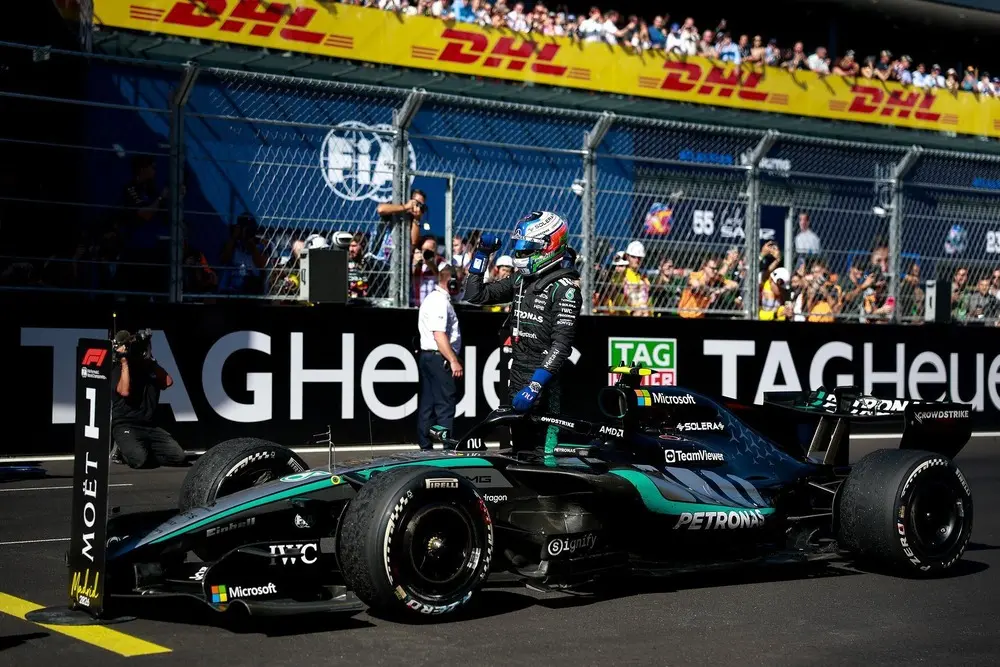


Rival Formula 1 manufacturers have intensified their call for FIA intervention over Mercedes engine loophole, proposing urgent F1 rule change ahead of the 2026 season opener in Melbourne.
This escalating dispute centers on Mercedes’ innovative power unit design which allegedly allows a higher effective compression ratio during dynamic racing conditions while complying with static, cold-engine tests mandated by current regulations.
As the March 6-8 Australian Grand Prix looms, the controversy threatens to overshadow the dawn of F1’s new power unit era, with Audi, Ferrari and Honda leading the charge against what they view as an unfair advantage.
The heart of the matter lies in the 2026 power unit regulations which cap F1 engine compression ratio at 16:1 for the internal combustion engine, a reduction from the 18:1 limit of the outgoing V6 turbo-hybrid era.
Mercedes has reportedly exploited a technical nuance: their engine passes FIA homologation checks—conducted with the car stationary and the engine cold—but achieves elevated compression under operational heat and load, potentially nearing 18:1 equivalents for boosted power output.
Rival F1 manufacturers suspect the “Mercedes engine loophole” delivers a lap-time edge of around three tenths, a critical margin in the sport’s hyper-competitive landscape, prompting them to write a joint letter to the FIA asking for rule clarification.
However, after an initial meeting of technical experts on 22 January, the governing body did not appear to be planning any intervention.
Two more meetings were held this week with the FIA once again meeting with technical experts on Monday, and the Power Unit Advisory Committee (PUAC) on Thursday, but no final decision was made.
Key 2026 F1 regulations changes explained: Comprehensive guide to Formula 1’s new era
Explained: Two 2026 F1 engine rules loopholes shut down by FIA
New F1 power unit supplier Audi has been the most vocal, joined by Ferrari and Honda (supplying Aston Martin), who argue the design contravenes Article C1.5 of the technical regulations, mandating full compliance “at all times during a competition.”
Several proposals for policing F1 engine compression ratio have been discussed, including the use of sensors when the car is running out on track or ensuring measurements are taken in the garages when PUs are up to operating temperature.
PUAC governance requires four-of-five manufacturers voting in favour of the proposed 2026 F1 engine rules change plus approval from the FIA and FOM.
Therefore, Red Bull Powertrains holds a pivotal position; early reports linked them to a similar loophole but recent nuances suggest they may back intervention if their gains turn out to be smaller compared to Mercedes.
A sudden change in regulations would be detrimental as final homologation of power units looms on March 1, leaving little or no time for teams to make adjustments.
Mercedes team principal Toto Wolff dismissed the uproar, urging rivals to “get their s**t together” while affirming compliance through positive FIA dialogue.
“I just don’t understand that some teams concentrate more on the others and keep arguing a case that is very clear and transparent,” Wolff said. “Communication with the FIA was very positive all along and it’s not only on compression ratio, but on other things too.
“Specifically in that area, it’s very clear what the regulations say. It’s very clear what the standard procedures are on any motors, even outside of Formula 1. So just get your shit together.
“The power unit is legal and corresponds to how the regulations are written. The power unit corresponds to how the checks are being done. The power unit corresponds to how these things are measured in any other vehicle.
“Everything else [the chances of a protest] I can’t judge upon. That’s how we see the world today, and that’s what the FIA said. In that respect, let’s wait and see.”
READ MORE: