

Formula 1 is set for a major overhaul featuring lighter, more agile cars, revolutionary active aerodynamics, and power units that balance internal combustion with electric power for unprecedented efficiency – Here are key 2026 F1 regulations changes explained.
Unveiled by the FIA in June 2024, these rules aim to deliver closer racing, enhanced safety and full sustainability through 100% sustainable fuels, reshaping how teams design, race, and compete.
This detailed breakdown explores every key change, from chassis redesigns to sporting regulations, equipping fans, analysts, and enthusiasts with the insights needed to understand the new regulations in full.
Core objectives of 2026 F1 regulations
Formula 1’s governing body, the FIA, has prioritized five pillars: more agile cars for better wheel-to-wheel racing, F1 active aerodynamics to reduce dirty air, new 2026 F1 power units with 50% electric output using sustainable fuels, simplified chassis for cost control and safety, and increased manufacturer involvement.
These changes address fan feedback on processional races while aligning with global net-zero goals by 2030.
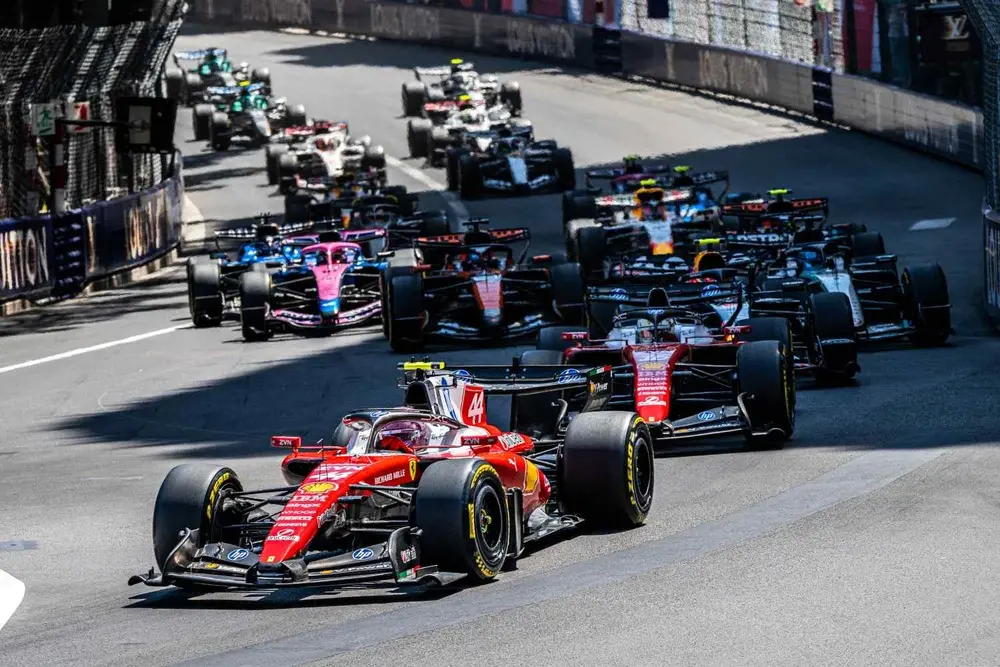
Lighter cars—slashing minimum weight by 30kg to 768kg—will enable nimbler handling on twisty circuits like Monaco, fostering overtakes that have eluded recent ground-effect eras.
Expected lap-time deltas of two to three seconds slower than 2025 baselines ensure competitiveness without diluting spectacle, with provisions for power boosts if needed post-testing.
The regulations also widen the power unit supplier field, attracting Audi, Honda (as full works), and Renault’s return alongside Mercedes, Ferrari, and Red Bull Powertrains.
This diversification promises parity, reducing dominance by top teams and injecting fresh innovation into the grid.
Lighter and More Agile Chassis Design
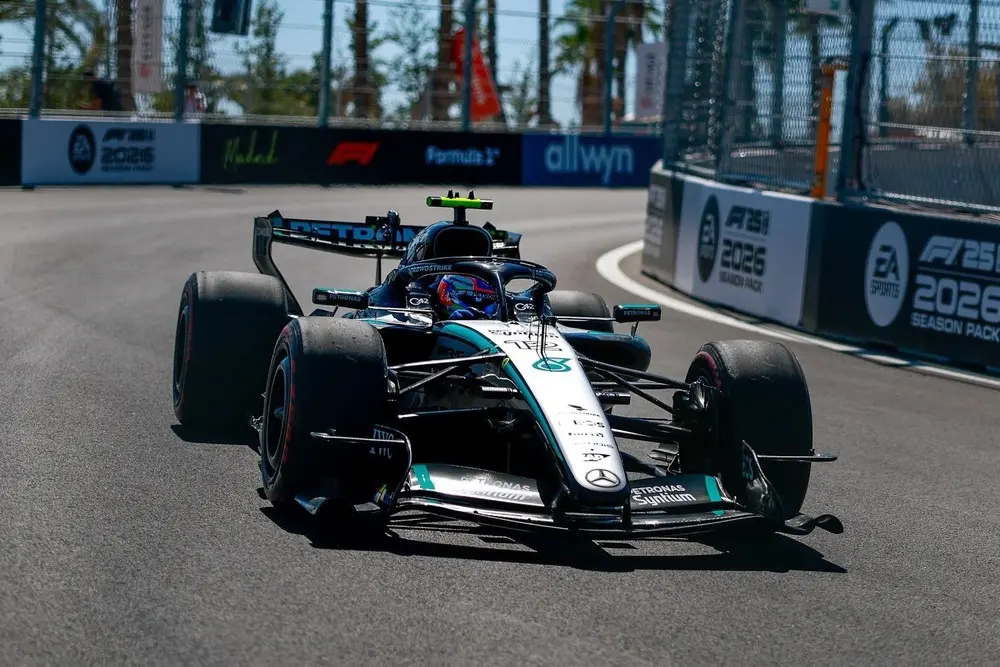
Central to 2026 F1 regulations changes is a radical chassis slim-down. The wheelbase shrinks from 3600mm to 3400mm, width from 2000mm to 1900mm, and overall length by 30cm, creating a more nimble footprint.

Minimum weight drops from 798kg to 768kg, primarily through smaller 16-inch wheels (down from 18-inch), narrower tires (front 25cm, rear 30cm vs. current 305mm rears), and simplified floor designs without sidepods or complex underbody vanes.
This compact package counters the “dirty air” issues plaguing 2022-2025 cars, where turbulence from leading vehicles disrupts following cars’ aero.
Engineers anticipate closer racing, with cars able to follow within one car length through corners, up from current two-to-three lengths.
Teams like Williams have hailed the changes for leveling the field, as smaller outfits can more easily package the simplified chassis design. Development freezes on certain components post-2025 will cap spending, with cost caps extended to maintain parity.
Active aerodynamics revolution
The passive DRS will be replaced by sophisticated 2026 F1 active aerodynamics system that features movable front and rear wings.
Both wings will feature two-element flaps that adjust the angle via driver override or automation, toggling between “Z-mode” (low-drag, high straight-line speed) and “X-mode” (high-downforce corners).
Wings will deploy independently: front in Straight mode and rear in Corner mode signals a full activation, which will be available lap-wide where permitted unlike DRS’s strict zones, promoting fluid racing lines and bigger braking zones for late dives.
New F1 terminologies for key 2026 rules explained
Two major 2026 F1 engine rules loopholes shut down by FIA
This feature will be limited to 1000 cycles per stint, activating above 220kph on straights or when the driver is within one second of the car ahead, slashing drag by 55% in low-downforce config.
Complementing this is the Manual Override (MO) mode, an energy-based boost which drivers will be able to deploy 1.0MJ electrical bursts (up from 4MJ MGU-K) when closing in on rivals, providing 450kW peaks for overtakes.

Power Unit Overhaul: Hybrid 2.0
The 2026 F1 power unit marks a seismic shift, with electric power equaling thermal at 400kW MGU-K (vs. 120kW today) and 400kW ICE (down from 550kW V6).
Total output will hit 1000kW-plus with MGU-H retained at 150kW, but fuel flow caps at 50kg/h (from 100kg/h), halving consumption via 100% sustainable fuels from non-food crops or waste.
Batteries will shrink to 4kWh (from 20kWh effective), emphasizing recharge efficiency—up to 9MJ/lap from braking and exhaust.
Additionally, teams must source fully biodegradable fuels—verified via the Sustainable Racing Fuel Assurance Scheme (SRFAS), with penalties for non-compliance.
Safety Enhancements Across the Board
The 2026 F1 car will have its halo strength doubled to 125kN loads and frontal crash tests extended 300mm forward.
Front impact structure rules introduce a two-stage nose design to lower the potential of detachment upon initial impact, while defence around the driver and fuel cell has been upgraded.
Cockpit sides will feature biocomposite panels absorbing 40% more energy, while batteries gain fire-retardant casings after 2025 learnings from thermal incidents.
Roll hoop loads have been raised from 16G to 20G (test loads from 141 kN to 167 kN), alongside homologated rear wing endplate lights for more visibility and new lateral safety lights for ERS status.
The GPS antenna has been repositioned to improve sensitivity and more scope to improve safety.
READ MORE:
Checkout newly released 2026 F1 car image renders
Full 2026 F1 driver line-up: Who will be on the grid next season?