
Formula 1 has introduced simplified F1 terminologies for key 2026 rules to demystify complex technical changes for fans worldwide.
These new terms—centered around active aerodynamics, power deployment, and energy management—replace convoluted labels like X-mode, Z-mode, and Manual Override Mode, ensuring accessibility without sacrificing innovation.
Unveiled in December 2025 amid new car renders, this lexicon promises closer racing, sustainable power units, and agile machinery, reshaping how drivers and teams strategize on track.
The shift to intuitive naming stems from fan feedback and the need to streamline commentary during high-stakes races.
Early 2026 F1 regulations previews presented at the 2024 Canadian Grand Prix sparked confusion with abstract codes that fans abbreviated awkwardly, such as MOM for Manual Override Mode.
FIA single-seater director Nikolas Tombazis emphasized in Abu Dhabi that simplification prevents overwhelming newcomers while maintaining depth for enthusiasts.
Tested via fan focus groups including core, existing, and new supporters, these terms foster consistency across teams, broadcasters, and officials, enhancing global engagement as F1 eyes sustainable growth.
This overhaul aligns with broader goals: cars 200mm shorter in wheelbase, 100mm narrower, and lighter at 770kg minimum, paired with 40% less drag and 15-30% reduced downforce for cleaner air and overtaking.
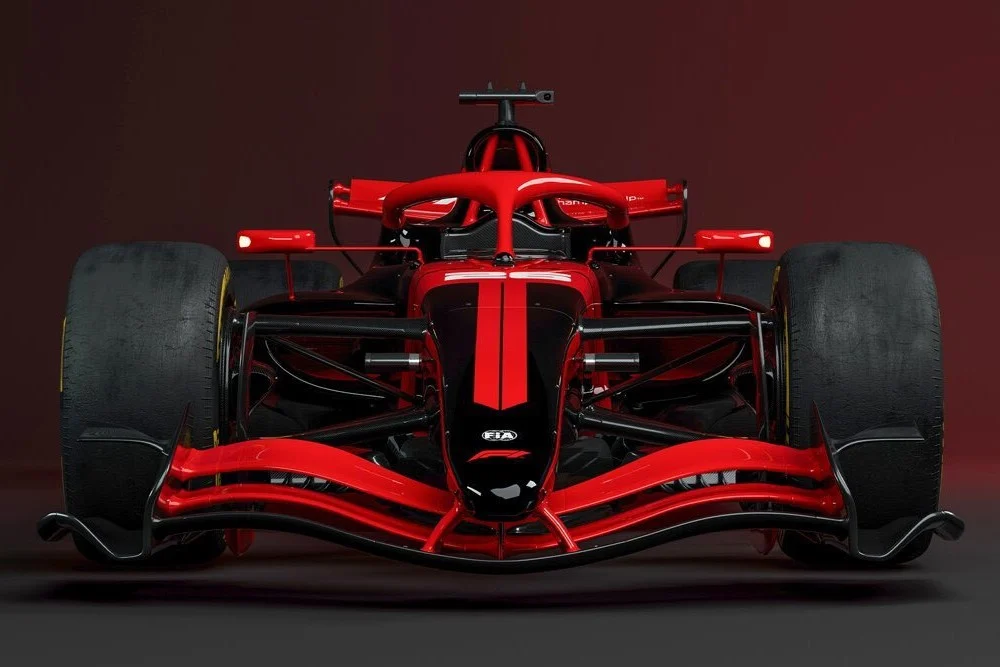
Power units achieve a near 50/50 split between combustion and electrical output, ditching the costly MGU-H for advanced sustainable fuels and narrower 18-inch Pirelli tires.
By embedding strategy into driver decisions on energy and aero, the terminologies elevate racing unpredictability, potentially yielding passes in unconventional track sections.
Overtake Mode: The DRS successor redefined
Overtake Mode emerges as the cornerstone overtaking aid, directly supplanting DRS by delivering extra electrical power rather than wing adjustments.
Activatable only when within one second of the car ahead at detection points—typically the final corner—it grants +0.5MJ additional energy for sustained higher speeds, tapering effectively on longer straights where lead cars slow around 290kph while pursuers push to 337kph with 350kW.
Unlike DRS’s fixed zones, Overtake Mode deploys strategically: all at once for bold moves or spread across a lap, introducing tactical nuance.
This power-centric boost leverages the beefed-up battery, making position swaps reliant on energy husbandry rather than aero alone.
Teams anticipate defensive ploys too where leaders conserve for rivals’ Overtake activations, amplifying mid-race drama on circuits like Monza or Spa.
As F1 management notes, this mode ensures equitable access with all cars eligible in designated zones, democratizing overtakes in a dirty-air-reduced environment.
Checkout newly released 2026 F1 car image renders
Full 2026 F1 driver line-up: Who will be on the grid next season?
Boost Mode: Driver-controlled power surge
Boost Mode, akin to the evolved Energy Recovery System (ERS) deployment button, will empower drivers to unleash maximum engine-battery output anywhere on track, offensively or defensively.
Pressing it will change power unit settings to peak profiles—team-configured for balance—drawing maximum power from the engine and battery without zonal restrictions.
This flexibility suits varied scenarios: defending a lead on straights or attacking corners, but demands foresight as total energy per lap remains finite, heightening strategic depth.
Unlike the Overtake Mode, Boost Mode ignores proximity rules, allowing proactive use like mid-sector pushes during qualifying or late-race defenses provided the driver has saved enough charge for a well-timed activation.
FIA stresses its tactical versatility, usable in full or parcels, mirroring real-world hybrid strategies but amplified for F1’s precision demands. This will spawn “energy duels,” where drivers juggle deployment against recharge needs, transforming laptimes into chess matches.
Recharge: Energy harvesting mastery
The new 2026 F1 cars will replenish their batteries through four Recharge Modes: via braking, lift-off, part-throttle, or “super clipping”—harvesting at full throttle end-of-straight.
Lift-off regen will be under direct control of the driver but disable active aero, trading speed for charge, while braking and clipping regen will be seamlessly handled by automated maps.
Circuit-specific recharge energy allowances will vary, compelling teams to optimize regen profiles against track demands, like heavy Monza braking zones versus flowing Silverstone sweeps.
This mode will dictate endurance in races as aggressive use of Boost/Overtake will necessitate recovery, potentially via early lift-coast, sacrificing tenths for later surges. FIA’s 50/50 power parity amplifies this, as electrical deficits will cripple straight-line speed amid active aero reliance.
Expect commentary buzz around “Recharge battles,” where drivers “super clip” corners for hidden gains, blending driver skill with power unit tuning.
Straight Mode and Corner Mode: F1 Active Aero simplified
F1 Active Aero bifurcates into Straight Mode and Corner Mode, ditching X/Z-mode obscurity for track-context clarity.
Straight Mode opens front/rear wing flaps on minimum-length designated straights, slashing drag for top-speed gains accessible to all drivers—no one-second rule—automatically or manually.
For the Corner Mode, wings revert to closed, high-downforce flaps for maximum grip through turns, the default aerodynamic setting for agility on nimbler 2026 F1 cars. Wings will also auto-close on braking/lift-off or lap-distance timeouts, averting mishaps like off-track excursions in open config.
Drivers will have the power to manually open or close the wings as Formula 1 introduces more designated zones per circuit than DRS for fluid transitions.
Strategic? Absolutely: While this duality cuts overall drag by 40% aiding following cars via cleaner wakes, premature Straight Mode risks corner instability, while delayed activation forfeits straightline edges.
READ MORE:
Explained: Two 2026 F1 engine rules loopholes shut down by FIA
Key 2026 F1 regulations changes explained: Comprehensive Guide to Formula 1’s New Era