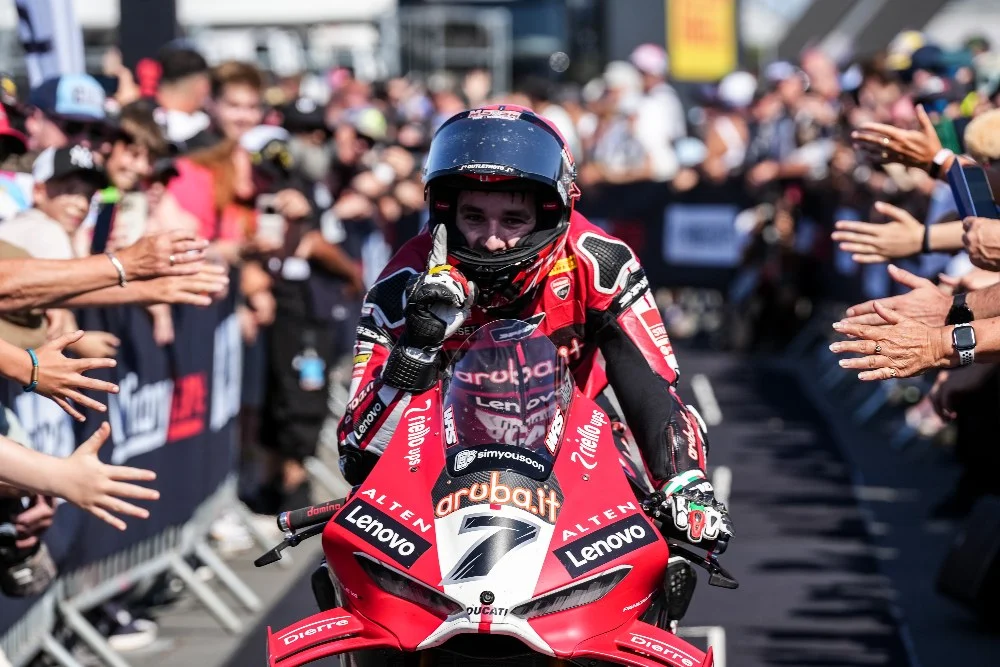

Reigning champions Ducati and Italian wildcard manufacturer Bimota have been slapped with performance‑based WorldSBK fuel flow reductions for the Dutch round at Assen.
After the latest Concession Checkpoint analysis, the FIM and World Superbike organisers have confirmed that Bimota and Ducati will each see a 0.5 kg/h reduction in maximum fuel flow for the upcoming Assen weekend, marking another significant step in the MSMA‑driven parity system that has reshaped the series since 2025.
The move underlines how closely the championship is monitoring the performance of individual manufacturers, with the undulating, fast‑paced Assen circuit providing a stern test for bikes now operating under more restricted fuel‑flow conditions.
Fuel flow limits in WorldSBK have been a central part of the technical and sporting philosophy since introduction at the start of the 2025 season, with the baseline maximum initially set at 47 kg/h for all manufacturers.
Under the current concession rules, the MSMA (Manufacturer Self‑Motivated Balance of Performance) algorithm tracks each manufacturer’s results over a series of rounds, and if a brand exceeds a predefined performance threshold it is subject to incremental fuel flow penalties.
Article 2.4.3.2 of the WorldSBK regulations explicitly states that manufacturers whose performance threshold falls below a certain negative value are eligible for a Step 1 fuel flow reduction of 0.5 kg/h, with more severe penalties possible if dominance continues over subsequent checkpoints.
In the case of the 2026 Assen WorldSBK, the FIM has determined that both Bimota and Ducati have edged beyond the MSMA‑defined threshold, triggering the 0.5 kg/h reduction for the Dutch round.
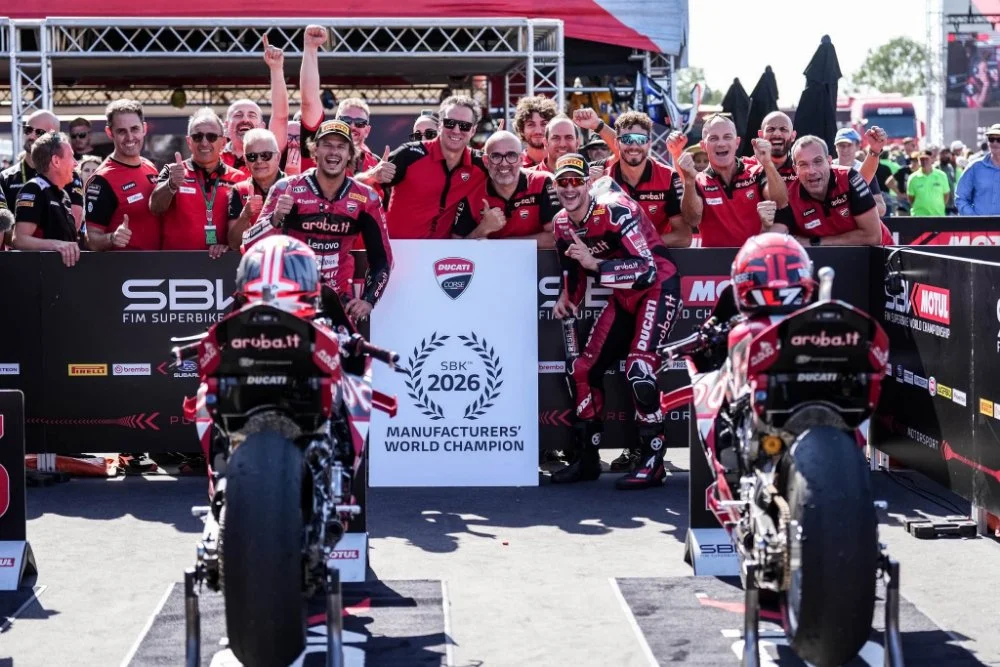
For Ducati, the new penalty compounds an already restrictive fuel flow picture. The Italian marque began the season with a maximum fuel flow rate of 45 kg/h, having already absorbed multiple 0.5 kg/h reductions during the 2025 World Superbike campaign as a result of its championship‑winning form.
The latest 0.5 kg/h cut brings Ducati down to 44.5 kg/h, making it the only manufacturer in the current field to operate under such a tight fuel‑flow cap.
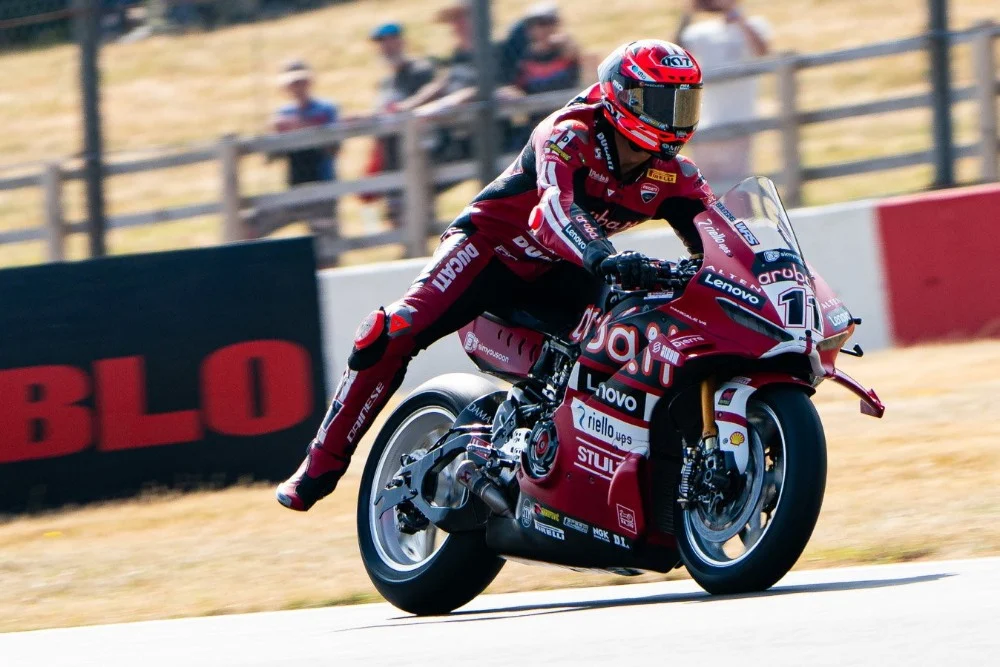
Ducati has dominated the opening two rounds through Nicolo Bulega who has taken both pole positions and won all six races, while leading all but three racing laps so far in 2026.
Additionally, the marque has piled up additional podium results through Iker Lecuona, who scored three at Portimao, plus one each from Yari Montella, Alvaro Bautista and Lorenzo Baldassarri at Phillip Island.
By contrast, Bimota started 2026 with a slightly more generous 46 kg/h limit, reflecting the concessions it received after being classified as a less‑established manufacturer.
However, recent performance upturn over the opening two rounds has prompted the FIM to apply the same 0.5 kg/h reduction, leaving Bimota at 45.5 kg/h for the Dutch round.
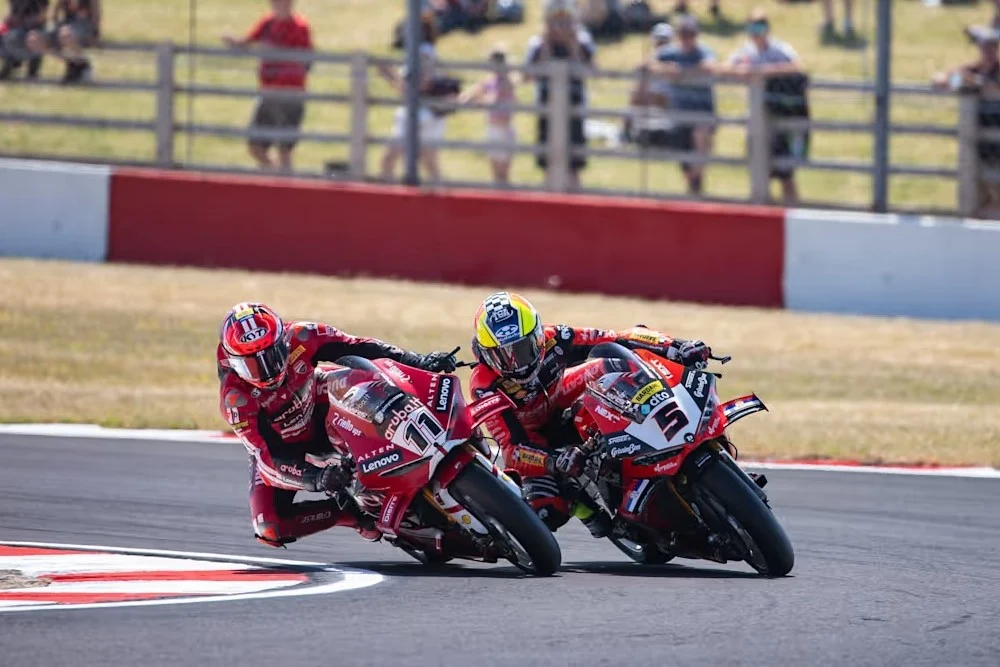
The team has scored three podiums, all at Phillip Island: two for Axel Bassani, and one for Alex Lowes. Bassani left Australia second in the standings but slipped to third after finishing eighth in all three Portimao races, while Lowes sits fifth overall after placing fourth in every race in Portugal.
These adjustments mean that both brands now face a higher degree of fuel‑management pressure across the 24‑lap Assen race, particularly through long, fast sections where throttle application is normally at its most aggressive.
READ MORE:
2026 Assen WorldSBK Friday Practice Results: Nicolo Bulega leads Ducati 1-2-3